


Improving sodium-ion molecular performance
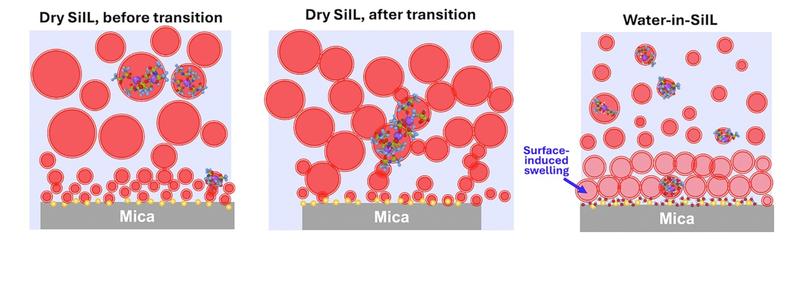
'From molecular simulations we were able to understand why water disrupts the large ionic clusters that were detrimental to this Na-based electrolyte'.
Dr Zac Goodwin
Dr Zac Goodwin of this department, working with the lead experimental principal investigator, Professor Rosa Espinosa Marzal of the University of Illinois Urbana-Champaign, has discovered an environmentally sound solution to improving a novel sodium-ion battery electrolyte that could replace lithium-ion in the batteries market.
The major barrier to forging ahead with using sodium-ion batteries is the limited understanding of molecular behaviour, however, in their newly published paper* the authors explain how they were able to use water to change the clustering habit of this salt-in-liquid electrolyte, which had previously had detrimental effects on the transport and interfacial behaviour, and therefore, overall battery power.
Very small amounts of water introduced to the salt-in-liquid were observed to insert themselves directly into the structure surrounding each sodium ion, actively participating in its solvation shell alongside the ionic liquid's own anions. As Professor Espinosa Marzal says: 'water doesn't just dilute the system, it actively reorganises it'. The water continued its good work by modifying the arrangement of ions at the electrode interface and influencing the formation of the solid electrolyte interphase, which is critical for the long-term performance of the battery.
The sustainable nature of this method could in time see an end to the environmental damage inflicted by quarrying and refining the minerals required for lithium-ion batteries, by replacing them with the next generation of portable power: sodium-ion batteries.
Read the full paper here: 'Water doping sodium battery electrolyte controls nanostructure, interactions and electrochemical properties' as published in Science Advances.

